
If you ever thought IRS procedural updates were boring, buckle up — because the latest IRS guidance for 2026 determination letters, opinion letters, and private letter rulings actually matters. A lot. Especially if you live in the retirement-plan, ERISA, and employee-benefits universe.
While this isn’t a sweeping overhaul, the IRS has quietly done three things that will hit plan sponsors and practitioners where it counts: higher fees, mandatory electronic filing, and tighter rules on refunds. None of this is theoretical. This is real-world compliance friction.
The Big Picture
Every year, the IRS updates its procedural rules for how it issues determination letters, opinion letters, and other rulings. These letters are not required in most cases — but when you need one, you really need one. They are the IRS equivalent of “don’t worry, you did it right.”
For 2026, the IRS is clearly signaling something familiar: More formality, more structure, and more cost.
What Changed for 2026
1. User Fees Are Up — Across the Board
Let’s not sugarcoat it. IRS user fees increased, in some cases materially. Whether you’re requesting a private letter ruling, a determination letter on an individually designed plan, or submitting under a correction program, the price of IRS comfort has gone up.
That means:
· Higher costs for plan sponsors
· Harder conversations with clients
· Less tolerance for “let’s just file and see what happens”
If you’re budgeting compliance costs for 2026 based on 2025 numbers, adjust accordingly.
2. Electronic Filing Is No Longer Optional
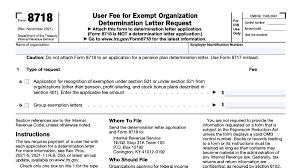
All Form 5300-series determination letter submissions must now be filed electronically. This includes the usual suspects: Forms 5300, 5307, 5309, 5310, and related filings.
Paper is effectively dead here. The IRS wants clean, standardized electronic submissions, and that’s not going to change.
From a practical standpoint:
· Sloppy submissions are easier for the IRS to flag
· Incomplete uploads are harder to excuse
· There is less room for informal follow-up
This is modernization, but it also means less forgiveness.
3. Fee Refunds Just Got Harder to Get
This is the sleeper issue that practitioners should really pay attention to.
Under the updated procedures, the IRS will generally not refund user fees if it later determines that your submission contained a material omission, even if:
· The omission was unintentional, or
· The IRS ultimately declines to rule
In other words, if you leave out a key fact that should have been disclosed, you may lose the ruling and the fee.
That’s a big deal. It raises the stakes for accuracy and completeness — especially in complex plan design or correction scenarios.
Why This Matters More Than It Sounds
It’s easy to dismiss procedural updates as IRS housekeeping. But determination letters and opinion letters are not academic exercises. They are risk-management tools.
When a plan is audited years later, these letters can:
· Shorten audits
· Limit exposure
· Provide leverage in disputes
· Protect fiduciaries from second-guessing
Higher fees and stricter procedures mean that mistakes are more expensive, not just inconvenient.
What Plan Sponsors and Advisors Should Do Now
Here’s the Rosenbaum checklist:
· Budget higher compliance costs for 2026
· Prepare submissions earlier, not at the deadline
· Over-disclose rather than under-disclose
· Treat every filing like it won’t get a second chance
This is especially true for individually designed plans and correction filings, where factual nuance matters.
The ERISA Parallel
If this feels familiar, it should. ERISA preemption exists to create uniformity and predictability. IRS letter programs serve the same purpose on the tax side. But uniformity only works when everyone plays by the rules — and the IRS just made the rules tighter.
Final Rosenbaum Thought
A determination letter is like insurance: you complain about the premium until the day you really need the coverage. In 2026, the IRS has raised the premium and shortened the grace period.
Plan carefully. File cleanly. Assume no do-overs.