
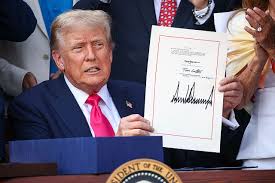
If you’ve been watching the headlines, you’ve probably heard about the new Trump Accounts—a savings vehicle created by federal law that lets kids start building tax-advantaged investment accounts early in life and gives eligible children a federal seed contribution. Employers can even contribute to the Trump Accounts of employees or their dependents starting next summer. So here’s the question sponsors should be asking: will this be a real employee benefit, or just another shiny bullet point on a benefits brochure that never actually gets used in practice?
For all the talk about financial inclusion and giving the next generation a head start, the reality is that adoption won’t happen by accident. Employers who want to put muscle behind this idea have to do more than announce that they could contribute. They have to design a written contribution program, communicate it clearly to employees with children under 18, coordinate with trustees and payroll, and navigate nondiscrimination requirements that aren’t yet fully defined. And that’s before we even get to the questions about whether older employees without children feel like second-class participants in the benefits hierarchy.
Those operational hurdles are real. Sponsors don’t need another plan that sits on a shelf because nobody understands how to use it. If a Trump account contribution program isn’t administered correctly, employers could face compliance headaches that look a lot like late deposits and failed testing: invisible until someone audits them.
That said, some large firms are already signaling interest and even pledging matching contributions. That’s promising, but it doesn’t guarantee widespread adoption. For sponsors thinking about whether to add this to their benefits lineup, the starting point isn’t marketing copy—it’s careful planning. Employers who treat Trump Accounts as a thoughtful part of the overall financial well-being strategy, rather than a gimmick, will be the ones that actually deliver value to their workforce.