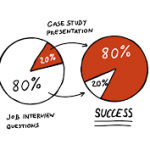
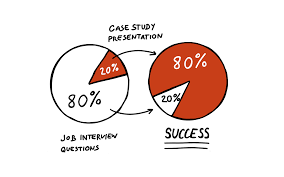
I’ve sat through more retirement plan meetings than I can count, and if there’s one recurring problem, it’s this: too much time spent on things that don’t materially move the needle, and not enough time on the issues that actually drive fiduciary risk and participant outcomes. That’s where the 80/20 rule quietly applies itself to plan governance.
In most sponsor meetings, roughly 20% of the agenda items create about 80% of the fiduciary exposure. The trouble is that those items are often buried beneath routine reports, surface-level updates, and discussions that feel productive but rarely require a decision. Meetings become informational instead of intentional, and committees leave feeling busy rather than protected.
The highest-impact topics tend to be consistent across plans. Provider performance, fee reasonableness, investment monitoring, participant outcomes, and operational failures are where real risk lives. These issues don’t just deserve airtime; they deserve focused discussion, documented decisions, and clear follow-up. When those items are rushed because the meeting spent too long on housekeeping, the committee hasn’t done itself any favors.
Effective sponsor meetings start with discipline. Agendas should be built around decisions, not presentations. Reports should support discussion, not replace it. If an item doesn’t require analysis, debate, or action, it may not belong in the live meeting at all. That doesn’t mean ignoring details; it means prioritizing judgment over data overload.
From a fiduciary perspective, time allocation is risk allocation. How a committee spends its meeting time says a lot about how seriously it takes its responsibilities. The plans that run the best meetings aren’t the ones with the longest agendas. They’re the ones that understand which 20% of issues truly matter—and make sure those issues get the attention they deserve, every single time.