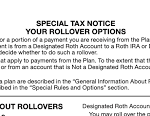

In the world of retirement plans, it’s easy to overlook the fine print — until someone sues you over it. The IRS just reminded us why distribution notices matter with the release of Notice 2026-13, which updates the safe harbor 402(f) model explanations for eligible rollover distributions.
Let’s cut to the fiduciary core: Section 402(f) requires that a written explanation be furnished to any participant or beneficiary eligible for a rollover distribution — and it must be provided within a reasonable period of time before the distribution is paid. For years, plan administrators have relied on prior IRS model language to satisfy this requirement. Now the IRS has updated those safe harbor explanations to reflect SECURE 2.0 changes and other tax law developments.
Here’s what changed, and why you should care.
First, there are now separate model notices for non-Roth accounts and designated Roth accounts. That matters because the tax consequences are different, and sloppy drafting here creates confusion at best and exposure at worst.
Second, the updated language incorporates the expanded exceptions to the 10% early withdrawal penalty, including newer SECURE 2.0 distribution categories. If your notice doesn’t reflect those changes, you’re giving participants incomplete information.
Third, the models reflect changes to required minimum distribution rules, including updated RMD ages and special surviving spouse provisions.
This isn’t glamorous work. No one markets their firm based on beautifully drafted rollover notices. But outdated 402(f) language is a preventable compliance failure.
Sponsors and providers should review distribution packages now. Because when a participant challenges a payout, “we didn’t update the template” is not a defense.
Details matter. Especially the ones at the back of the packet.