
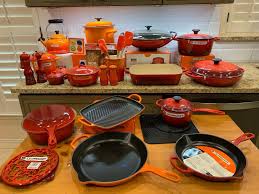
My wife loves Le Creuset, which means, by extension, so do I. I’ve been to enough factory-to-table sales across the country to know one thing: for every cooking need, they’ll happily sell you three different versions of the same product. Bread oven, Dutch oven, braiser—at some point, it’s all just cast iron doing roughly the same job. Beautiful, yes. Necessary? Not always.
That’s the 401(k) industry in a nutshell.
Plan providers have become masters at packaging “nice to have” features as if they’re essential. Managed accounts layered on top of target date funds. Financial wellness tools nobody uses. Proprietary analytics dashboards that look impressive but don’t change a single fiduciary outcome. It’s not that these things are inherently bad—it’s that they’re often sold without regard to whether the plan sponsor actually needs them.
And here’s the problem: unnecessary complexity isn’t harmless. Every added feature introduces cost, confusion, and sometimes even fiduciary risk. Sponsors don’t need ten moving parts—they need a plan that works, is easy to understand, and keeps them compliant.
The best providers I’ve worked with don’t lead with bells and whistles. They lead with questions. What are you trying to solve? Where are the risks? What actually matters to your employees?
Because at the end of the day, a great 401(k) plan isn’t about how much you can include—it’s about how much you can strip away and still deliver strong outcomes.
Sometimes the best thing you can sell a plan sponsor is less.