On June 4, 1974, the Cleveland Indians hosted the Texas Rangers at Cleveland Municipal Stadium and decided to solve an attendance problem with a simple idea: 10-cent beers. No complicated strategy, no meaningful guardrails, just cheap alcohol and the hope that more fans would show up. They did. What the team didn’t account for was what happens when you mix price, volume, and emotion.
This wasn’t a neutral crowd walking in. There was already tension between the teams from a prior incident, and the fan base came in looking for energy, not restraint. The promotion didn’t just lower the cost, it removed any natural limit on consumption. When something is practically free, people don’t pace themselves. They consume. Lines were long, drinks kept coming, and the environment shifted quickly from a baseball game to something much harder to control.
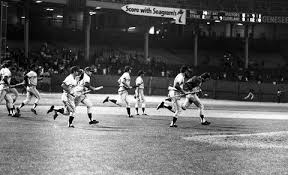
By the later innings, it wasn’t about baseball anymore. It was about a stadium full of people who had been given every incentive to overindulge and no real reason to stop. Fans ran onto the field, objects were thrown, and the situation escalated into chaos before the game was ultimately forfeited. It became known as “10 Cent Beer Night,” not as a clever promotion, but as a case study in what happens when you ignore basic human behavior.
The mistake wasn’t offering a promotion. It was failing to think through the consequences. Price drives behavior. If you make something essentially free, people will treat it that way. Add alcohol and a charged atmosphere, and you don’t get a bigger crowd, you get a different crowd.
What were they thinking? Probably that cheap beer would fill seats. They were right about that. They were just wrong about everything that came after.