
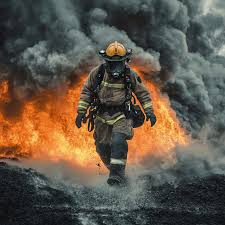
When I worked for TPAs as an attorney, there were days I felt less like legal counsel and more like a firefighter.
Not the glamorous kind. Not the heroic calendar photo kind. More the exhausted guy showing up because someone ignored the smoke alarm three weeks earlier.
A missed eligibility date. Late deferral deposits. A payroll file that never transmitted. A failed ADP test nobody saw coming because the census was a mess. A plan document provision that operations administered incorrectly for years. A conversion that went sideways because sales promised something that reality couldn’t support.
And there I was, extinguisher in hand.
The problem wasn’t that emergencies happened. In this business, some level of chaos is inevitable. Payroll systems change. Clients make mistakes. Vendors drop balls. Humans are imperfect.
The real problem was when firefighting became the operating model.
If your smartest people spend their days cleaning up preventable disasters, your organization has a process problem—not a staffing problem.
Too many firms mistake crisis management for competence. “Look how quickly we solved that issue.” Great. Why did the issue exist in the first place?
The attorney shouldn’t constantly be interpreting avoidable operational failures. The compliance team shouldn’t be repeatedly reconstructing broken data. Senior service people shouldn’t be spending every day on escalations that should have been prevented upstream.
That’s not efficient. That’s organizational exhaustion disguised as productivity.
The hidden cost is enormous. Burnout. Turnover. Client frustration. Preventable corrections. Reputational damage. Lost growth because your best people are too busy dealing with yesterday’s avoidable disasters.
The best organizations aren’t the ones with the best firefighters.
They’re the ones with fewer fires.
Checklists. Clear ownership. Good onboarding. Sensible escalation paths. Honest communication between sales, operations, compliance, and service. Process discipline.
Because if your most valuable employees are constantly sprinting from emergency to emergency, you don’t have stars holding the place together.
You have structural failure with talented people temporarily masking it.